
Professional education in the agricultural sector of Ukraine: modern paradoxes and prospects
What are the realities of vocational education in the agricultural sector of Ukraine? What are the problems of students and employers? What is expecting this area in the near future?
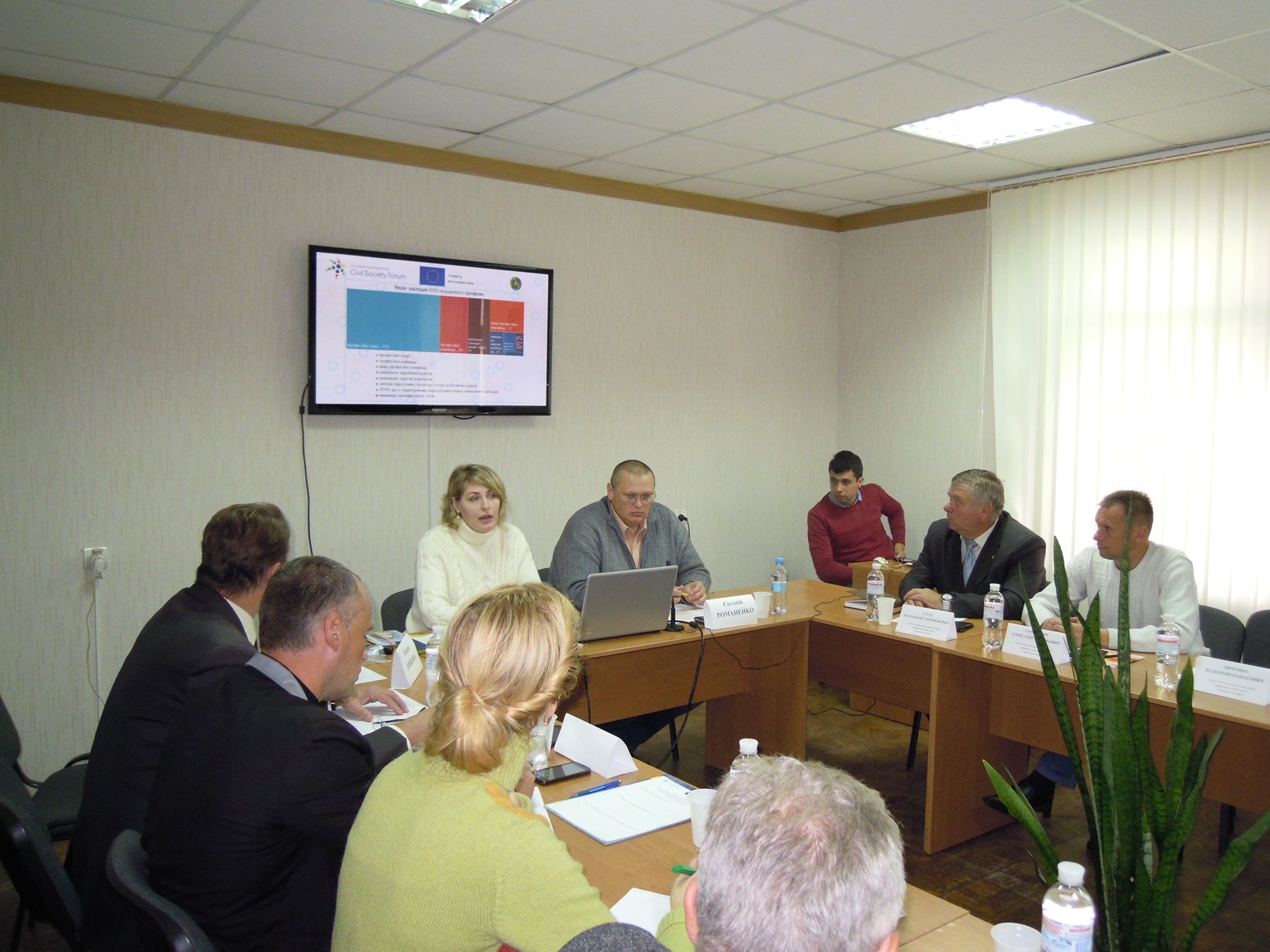
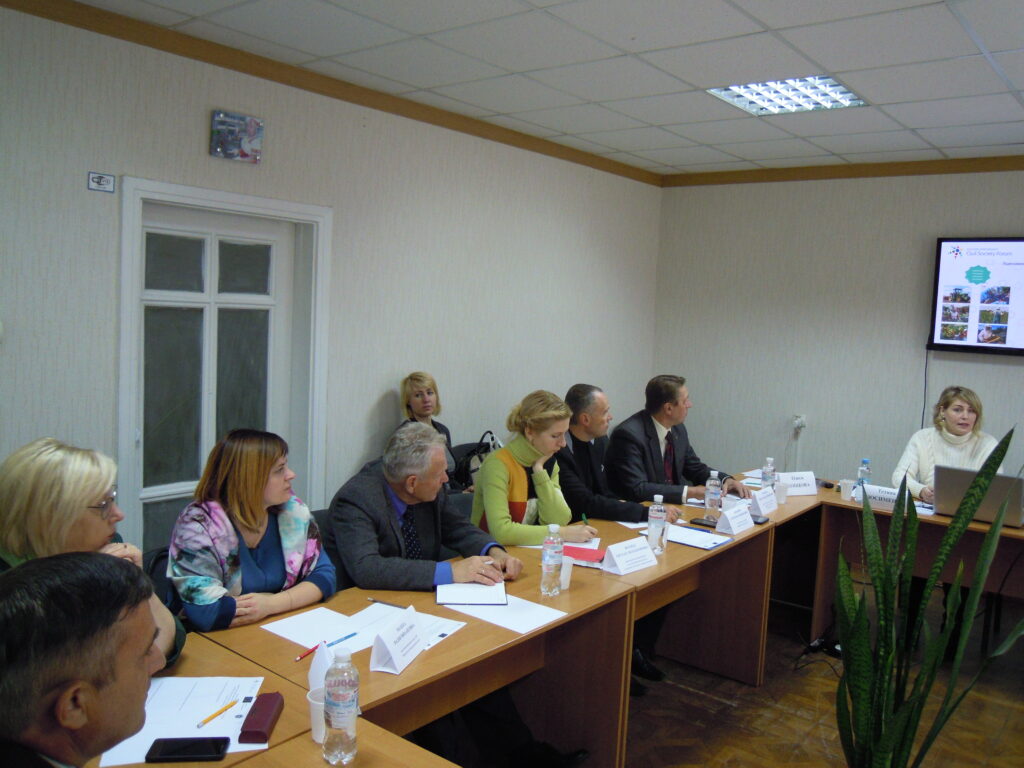
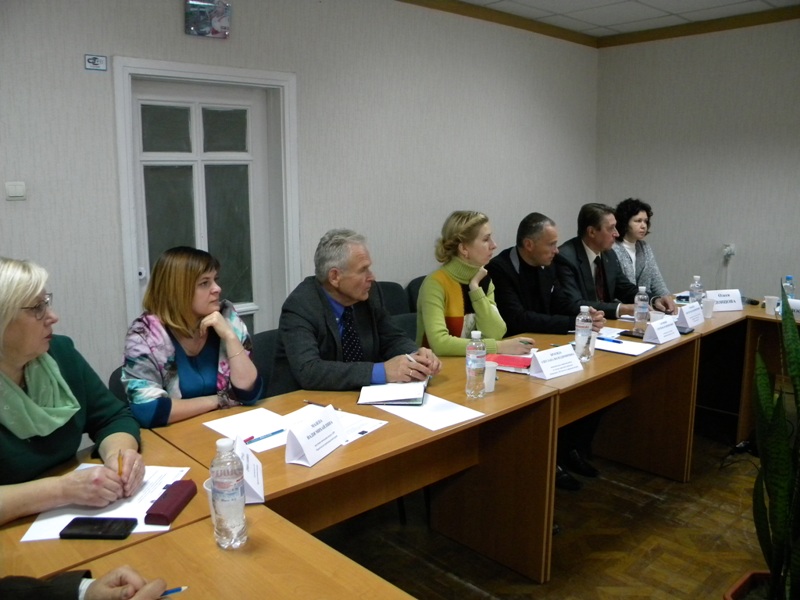
These and other issues were the subject of discussion during a roundtable meeting, which took place on October 24 in Chernihiv on the basis of the Training and Methodological Center of Vocational Education in Chernihiv Oblast. During the event, experts of the Center for Transfrontier Cooperation presented the results of the study in the framework of the project “Promoting regional vocational education in the field of agriculture and development of rural areas in the countries of the Eastern Partnership”.
In the economy of Ukraine, the demand for the working professions of agrarian orientation is not satisfied by the supply of labor, which is prepared by domestic institutions of vocational education. Modern system of training of workers of the agricultural sector is irrelevant and incapable of providing training of skilled workers in accordance with the socio-economic needs of society.
The causes of unpopularity of vocational education are:
- Labor market conditions (the number of vacancies of skilled agricultural workers is the smallest of all professional groups (1% of all vacancies in 2017), and the load on one vacancy is the highest (44 persons per vacancy in 2017);
- imperfection of the mechanism of formation of a state order for training of skilled workers;
- inefficient monitoring of the labor market.
“Undefunning and lack of productive and mutually beneficial partnership with business – barriers to overcoming chronic problems of agricultural vocational education. Restart the system from the state is required, otherwise the agricultural sector is waiting, – said Tatiana Zosimenko, project expert, Candidate of Economic Sciences, Associate Professor of Chernihiv National Technological University.
Director of the Training and Methodological Center of Vocational Education in Chernihiv Oblast Viktor Grinenko noted: “There is no model in Ukraine that would allow us to effectively track and predict the situation in the labor market. Using international experience, donor programs we try to form an idea of how to calculate, how to explore and what parameters to use in order to be most effective and as clearly as possible to imagine whom, when and with what level of qualification we should prepare”.
The results of the study and the discussion results will be taken into account in the preparation of recommendations for reforming domestic professional agricultural education.
Dontsova Olesya
NGO “Center of Cross -Border Cooperation”
097-983-04-88
Reference: Project “Promoting Regional Professional Education in Agriculture and Rural Development in Eastern Partnership countries” receives support through a regimentation schemeEastern Partnership Civil Society Forumand is funded by the European Union as part of its support for civil society in the region. Within the framework of the regiment of the Eastern Partnership Civil Society Forum, it supports the projects of its members that contribute to the achievement of the Mission and goals of the forum. The total amount for the 2018 competition is 250,000 euros. Grants are available to CSOs of Eastern Partnership and EU countries. The main areas of support are democracy and human rights, economic integration, environment and energy, contacts between people, social and labor policy policies.
The project is aimed at improving regional vocational education in the field of agriculture. The purpose of this initiative is to study the needs of regional vocational education of agricultural direction, to develop recommendations for further improvement of programs of vocational education at the regional level in the countries of the participating Eastern Partnership (in particular, Ukraine, Moldova and Georgia), as well as the promotion of reforms in the countries of Eastern Partnership.