Chernihiv Democracy: “Golden Middle” and “Damn Dozen”
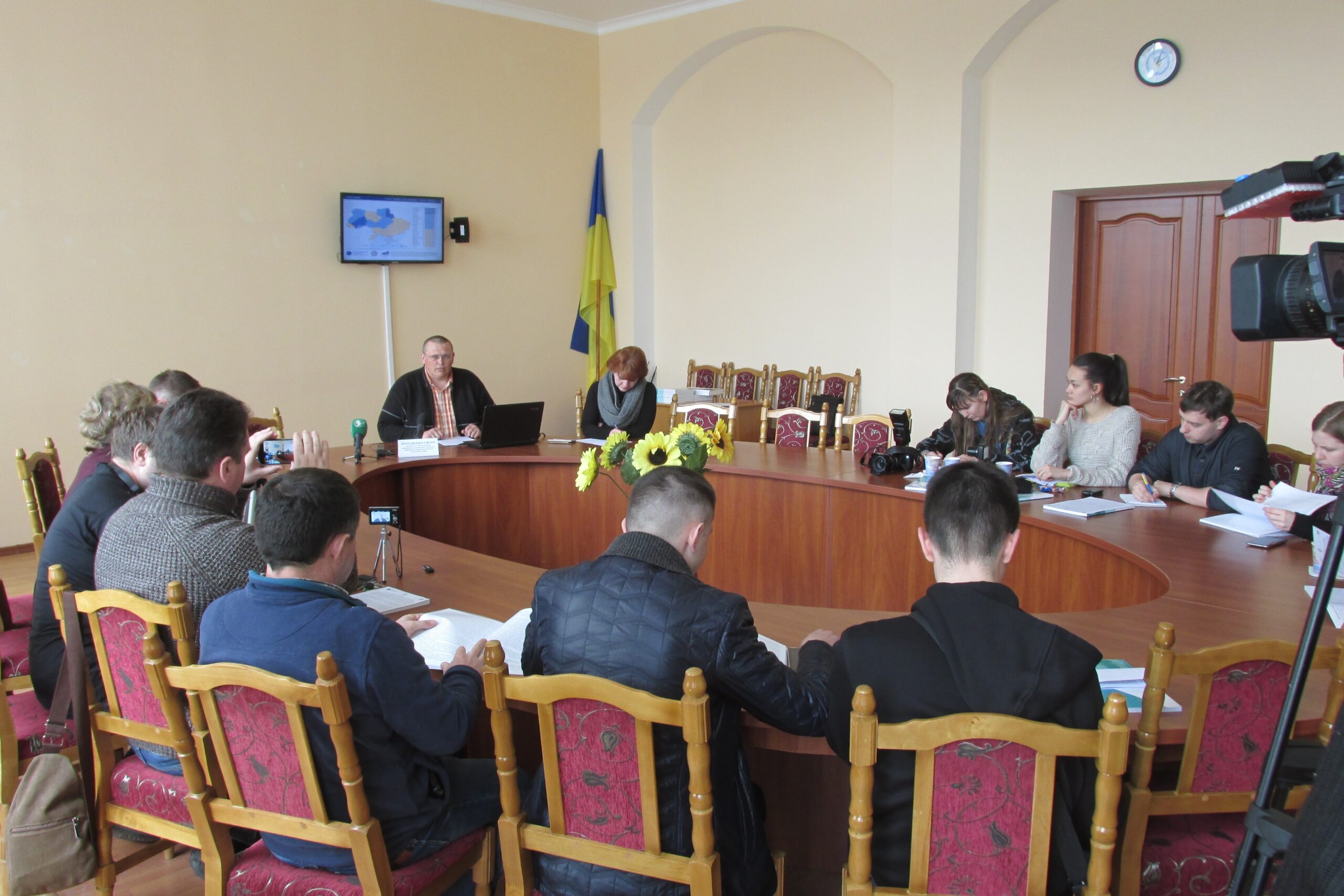
The presentation of the results of measuring the index of democratic development of regions of Ukraine in Chernihiv region was held on March 21 at the Chernihiv Choice press center. Within the framework of the project “Promoting Reforms and Development of Accountability in the Regions of Ukraine”, a comprehensive assessment of democratic processes in the regions was provided, as a result of which the Chernihiv region became both a leader and an outsider by individual units of methodology. The national project was initiated and implemented by the Polissya Fund of International and Regional Research in cooperation with the Association of Regional Analytical Centers with supportNational Endowment for Democracy (NED).
Against the backdrop of the leading regions, whose democratic development was evaluated according to a specially developed methodology, Chernihiv region is kept in the majority of the “golden mean”. Thus, according to the nationwide rating of the democratic development index of the regions of Ukraine, the Chernihiv region took 13th place, scoring 3.05 points. This indicates a mixed/transition state of development of the system of principles and norms of functioning of institutions of democracy.
It is interesting that the place of Chernihiv region in the ratings of different blocks, which according to the methodology of the Center for Political and Legal Reforms was only 10, varies. Thus, the Chernihiv region is the leader of the rating under the Bloc “Socio-Economic Status” (3.82 points). And the lowest result is observed in the section “Security. Law Enforcement: Police and Prosecutor’s Office”, where our region scored 2.15 points and took the 14th place out of 16. Disappointing results and in blocks “Public Activity and Self -Organization of Citizens” (2.78 points and 11th place from 13) parties, elections ”(2,93). “Decentralization and activities of local self -government bodies” (3,11), “Interethnic and confessional relations” (3,57), “Media Status” (3,0), etc.
According to Yevgeny Romanenko, the President of the Polissya Fund and the Coordinator of the Association of Regional Analytical Centers: “It is important to understand that scored points reflect not the degree of development of individual spheres of life of regions, but are assessments of the level of respect for rights and freedoms in these areas.”
The results of the study made it possible to formulate recommendations on further directions of strengthening democracy at the local level. Among the main ones at the national level is the continuation of the chosen course of reforms (justice, prosecutor’s office, law enforcement system and decentralization) with simultaneous provision of institutional support in the most problematic areas; Improvement of party and electoral legislation, as well as conducting a national anti -corruption campaign. At the Chernihiv region, it is to stimulate the increase in general gross production using the benefits of territorial location, the introduction of cluster technologies of organization and development of the regional economy, to carry out information and educational campaigns aimed at increasing the level of inclusion quality analytical products, while reducing the dependence on local mini-oligarchs and politicians, etc.
Reference:
The research was performed during November 2016-Jan 2017. The research methodology was developed by the Center for Political and Legal Reforms and is based on the original methodology of the International Institute for Democracy and the Promotion of Election (International Idea).
The level of development of democracy was evaluated on the basis of a comprehensive methodological approach, including: analysis of expert comments; analysis of information requests; analysis of documents adopted at the region level; Analysis of secondary sources of information. At the level of Chernihiv region, the respondents of the expert study were 40 people. Structure in the field of activity: 20% – public activists/volunteers; 17.5% – journalists/media workers; 12.5% - civil servants and entrepreneurs; 10% – political scientists/sociologists; 7.5% – human rights activists, educators and political figures; 5% are religious figures. Structure according to the Status criterion: 47.5% – independent experts; 40.0% – representatives of the highest management of organizations; 12.5% - representatives of the middle management of organizations.
The full ratings of the regions can be found at the link:https://public.tableau.com/profile/texty#!/vizhome/2016_pf/story1
The event is held within the framework of the project “Promoting Reforms and Development of Accountability in the Regions of Ukraine”, which is implemented by the Polissya FundNational Endowment for Democracy (NED)