
Vocational education in the agricultural sector of Ukraine: How to overcome a closed range of problems and become a forge of quality personnel?
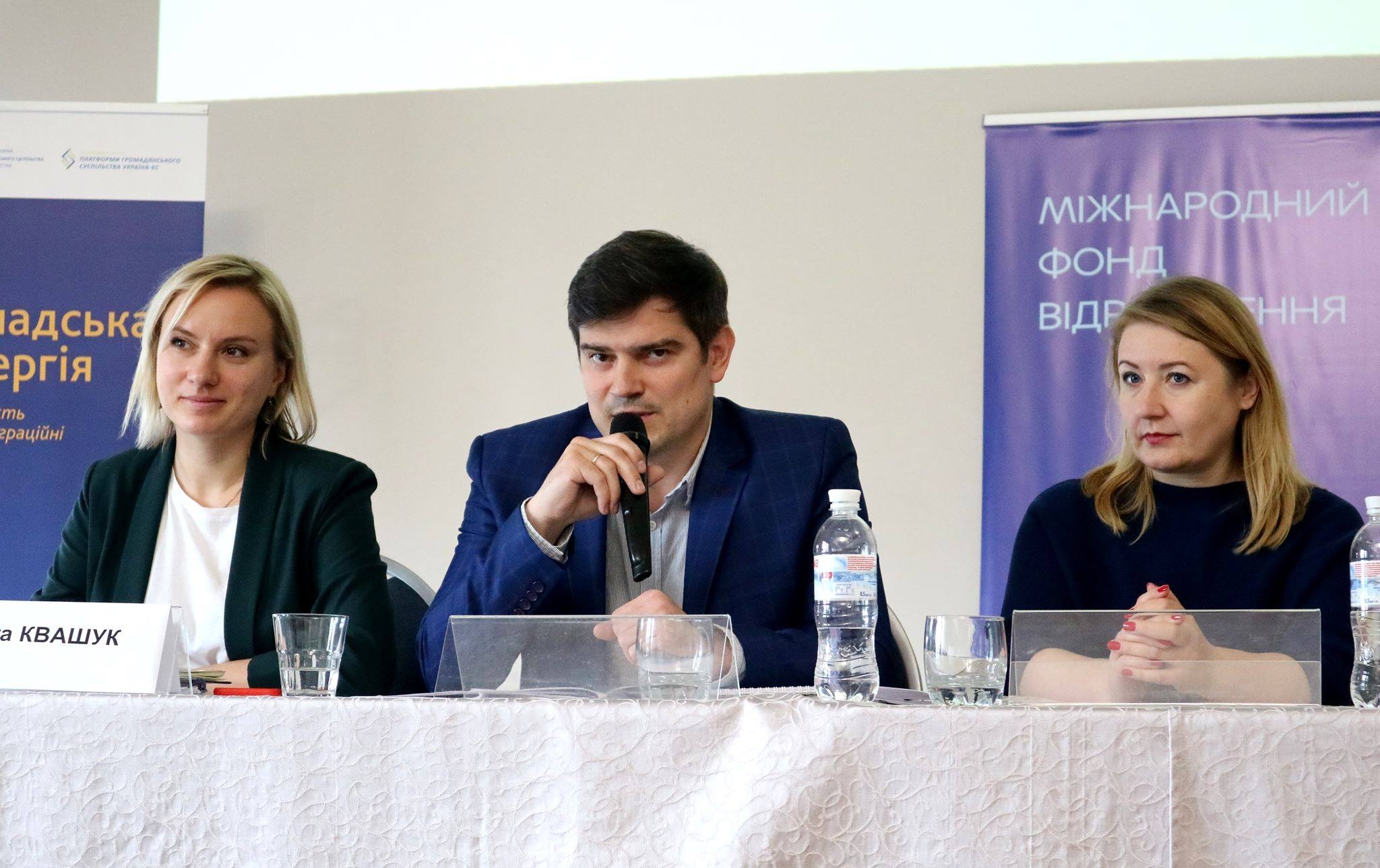
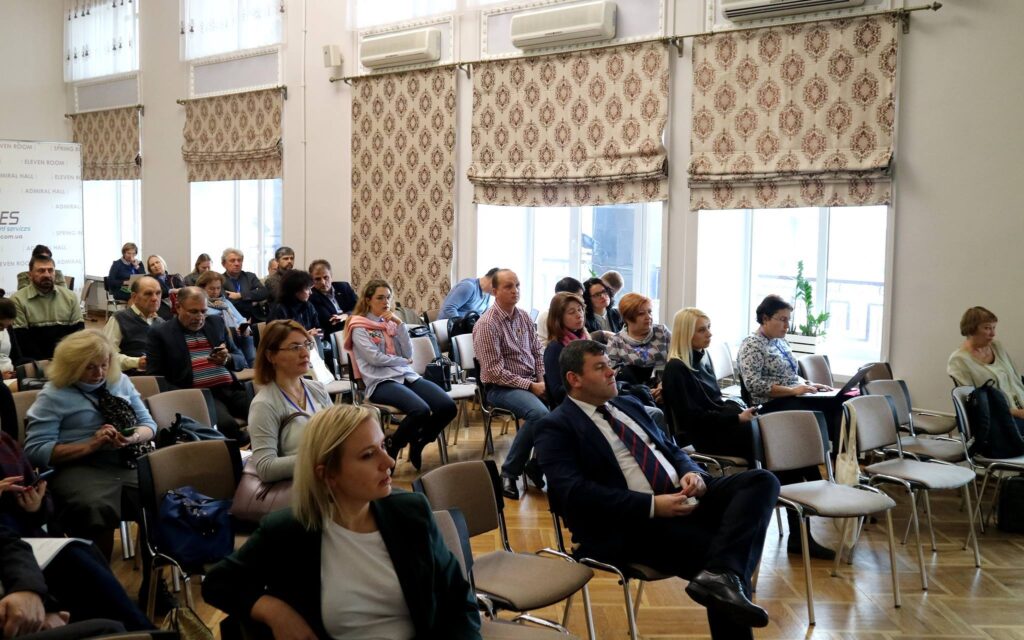
When solving the problems of agrarian vocational education in Ukraine, it is necessary to focus on balancing the interests of all stakeholders, including students, employees of educational institutions, employers, etc. Such a basic idea was expressed during the presentation and discussion of the results of the study conducted by the Center of Cross -Border Cooperation(as part of the project “Promoting Regional Professional Education in Agriculture and Rural Development in Eastern Partnership Countries”), during the annual conference of the Ukrainian National Platform of the Eastern Partnership Civil Society Forum on November 3, 2018 in Kyiv.
Chronic underfunding of educational institutions and insufficient motivation of enterprises to participate in the training of personnel are two sides of the same medal, which interfere with the transformation of domestic agricultural vocational education into the forge of quality, demanded personnel for the agricultural sector.
In addition, experts evaluated the effectiveness of current development and support programs in the agricultural sector. The point and inability to dramatically improve the situation: both state and international programs from beneficiaries have received such a verdict.
Lost opportunities – in these two words it is possible to characterize the impact of international projects on agricultural vocational education. Due to the lack of awareness and low degree of involvement in such projects, agrarian VETs lose the possibility of improving the material and technical base, advanced training of teachers and improving the curricula, establishing the exchange of trainees.
“The national system of agricultural vocational education requires restart, taking into account socio-demographic, foreign economic and sectoral trends. Otherwise, the country’s agrarian sector is already in the near future“famine””, – said Boris Uvarov, Deputy Chairman of the Council of Center of Cross -Border Cooperation.
On the basis of the study, experts have developed a number of recommendations addressed to the authorities, employers and vocational education institutions.
In particular,the authorities that are endowed with appropriate powers, necessary:
- start the transition from traditional budgetary to investment-oriented financing models on the basis of modern market and training systems of financing;
- to consider the possibility of consolidation of agricultural professions and to make appropriate changes to the legislation;
- When developing state requirements for the content of vocational education, take into account the need to include in general professional competencies: knowledge of the rules of world trade, agricultural policy of the EU, skills in the field of development of productivity and technical development, environmental safety, sustainable development;
- to review and modernize the current concepts of information systems of the labor market on the basis of selection and use of diversified sources of data (statistical and administrative information, research of enterprises, research of graduates);
- Develop a plan for promoting vocational education in the agricultural sector and providing partial financing with employers to create and broadcast advertising plots aimed at improving the prestige of working agricultural professions.
EmployersIt is recommended to develop framework plans for improving vocational education services through large-scale use of public-private partnership practices (sponsorship support for individual educational institutions by enterprises; investments in educational and practical centers through state programs; organization of internships for providing practical experience and providing industrial training).

Facilities in vocational educationNeed:
- establish cooperation with international and domestic funds for financial support for the participation of students and teachers in international programs; activate information campaigns; provide appropriate information and consulting support;
- to introduce methods of formation of personality capable of choosing an individual educational trajectory, learning throughout life, development of professional career, entrepreneurship and self -employment;
- to develop flexible methods of recruitment in order to involve not only rural youth, but also other social and age categories;
- improve the methods of recruitment and advanced training at all levels; to create conditions for improving career prospects and professional recognition;
- establish closer relations with employment businesses and services in order to meet the real needs of the region or country through the adaptation of curricula and teaching methods;
- Develop advanced methods of agricultural education adapted to the needs of different target groups (seminars, trainings, consultations). Particular emphasis should be placed on providing advanced educational services to farmers and specialists involved in agriculture.
The results of the study will be a joint analytical report for the three countries of the Eastern Partnership of Georgia, Moldova and Ukraine in order to identify common problems and possible solutions for them.
Dontsova Olesya
NGO “Center of Cross -Border Cooperation”
Reference: Project “Promoting Regional Professional Education in Agriculture and Rural Development in Eastern Partnership countries” receives support through a regimentation schemeEastern Partnership Civil Society Forumand is funded by the European Union as part of its support for civil society in the region. Within the framework of the regiment of the Eastern Partnership Civil Society Forum, it supports the projects of its members that contribute to the achievement of the Mission and goals of the forum. The total amount for the 2018 competition is 250,000 euros. Grants are available to CSOs of Eastern Partnership and EU countries. The main areas of support are democracy and human rights, economic integration, environment and energy, contacts between people, social and labor policy policies.
The project is aimed at improving regional vocational education in the field of agriculture. The purpose of this initiative is to study the needs of regional vocational education of agricultural direction, to develop recommendations for further improvement of programs of vocational education at the regional level in the countries of the participating Eastern Partnership (in particular, Ukraine, Moldova and Georgia), as well as the promotion of reforms in the countries of Eastern Partnership.